Please tell us why you have nominated this individual
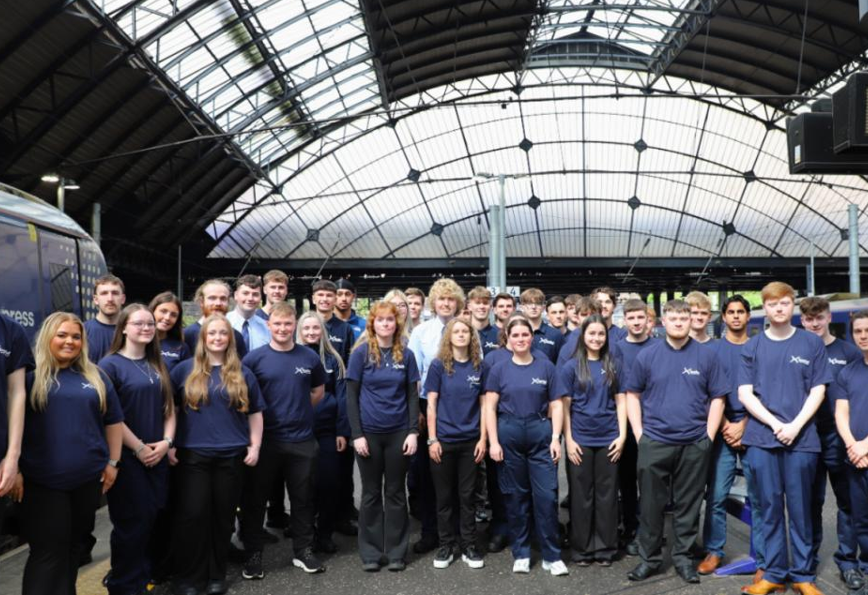
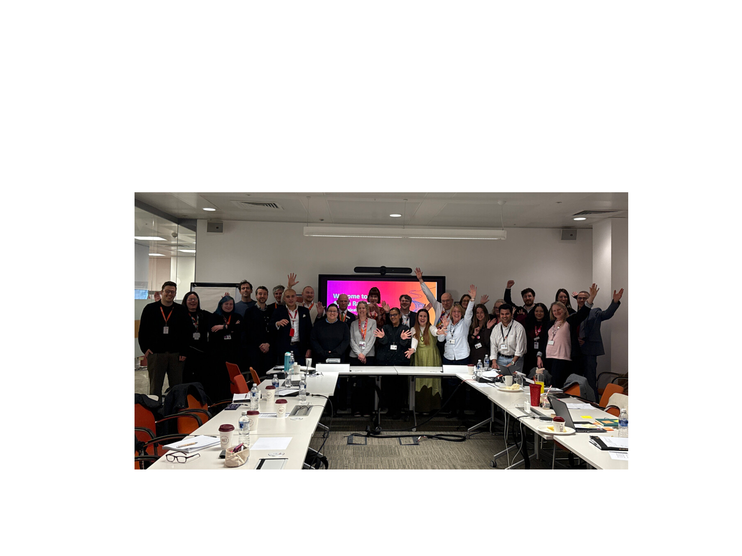
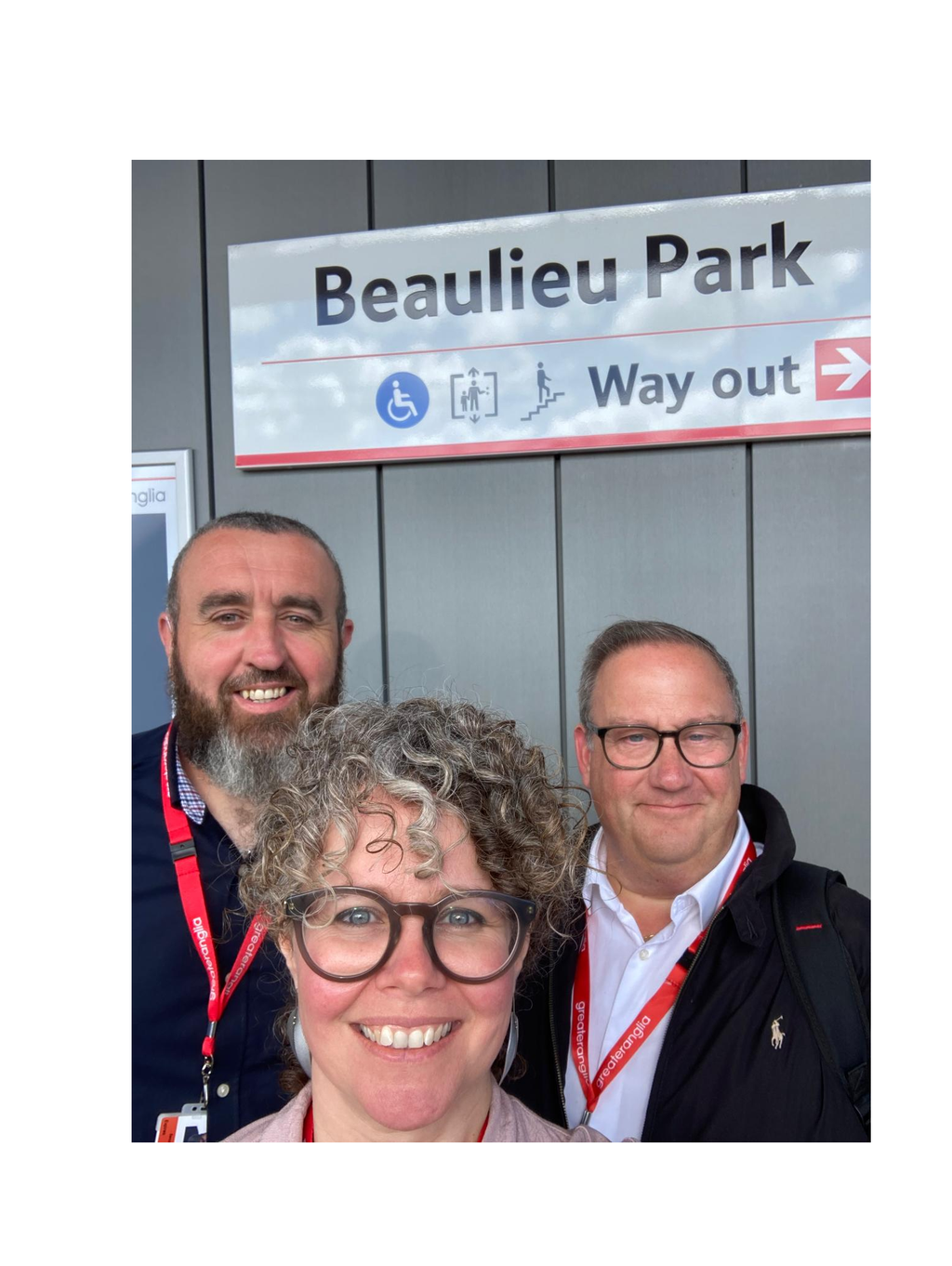
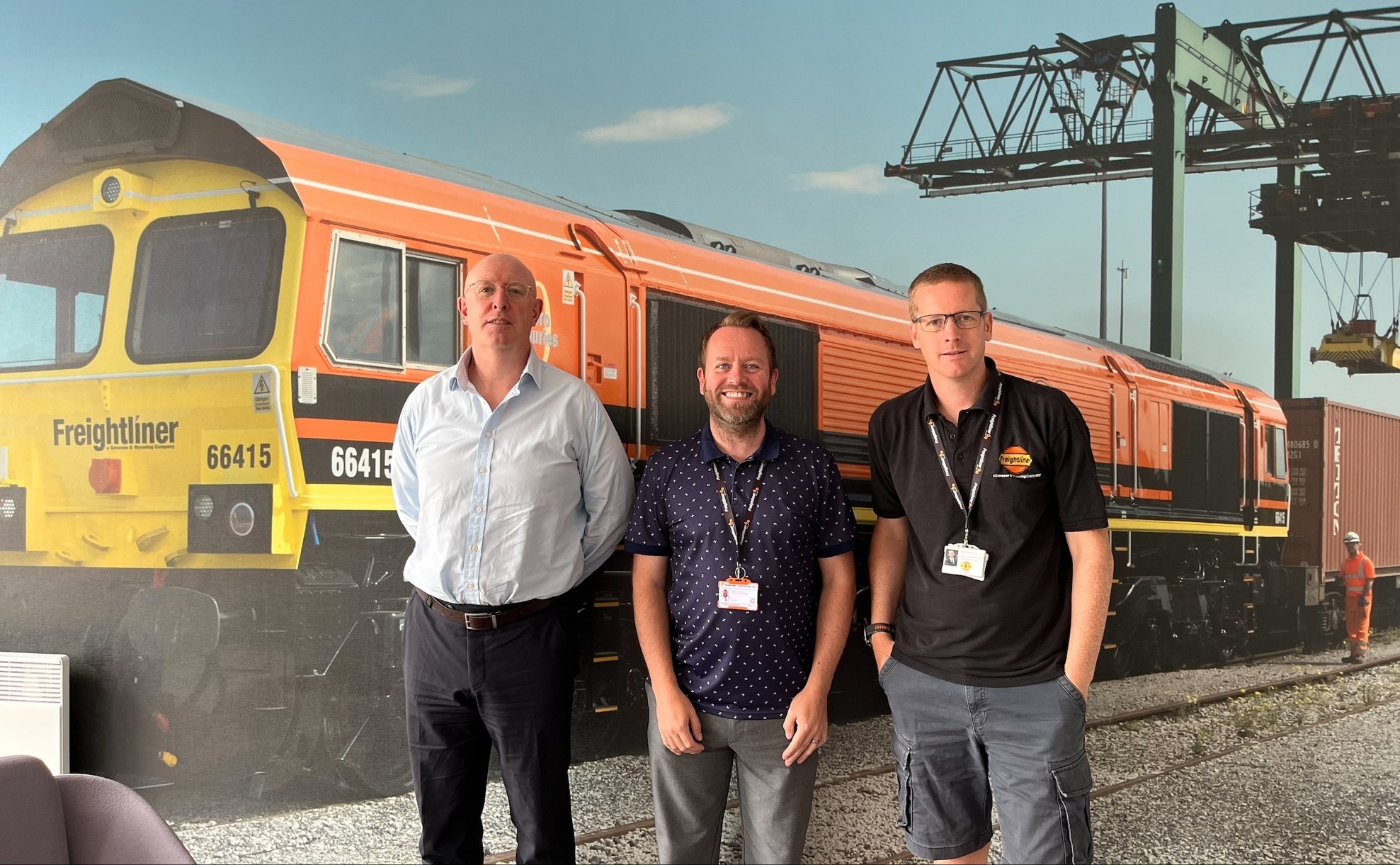
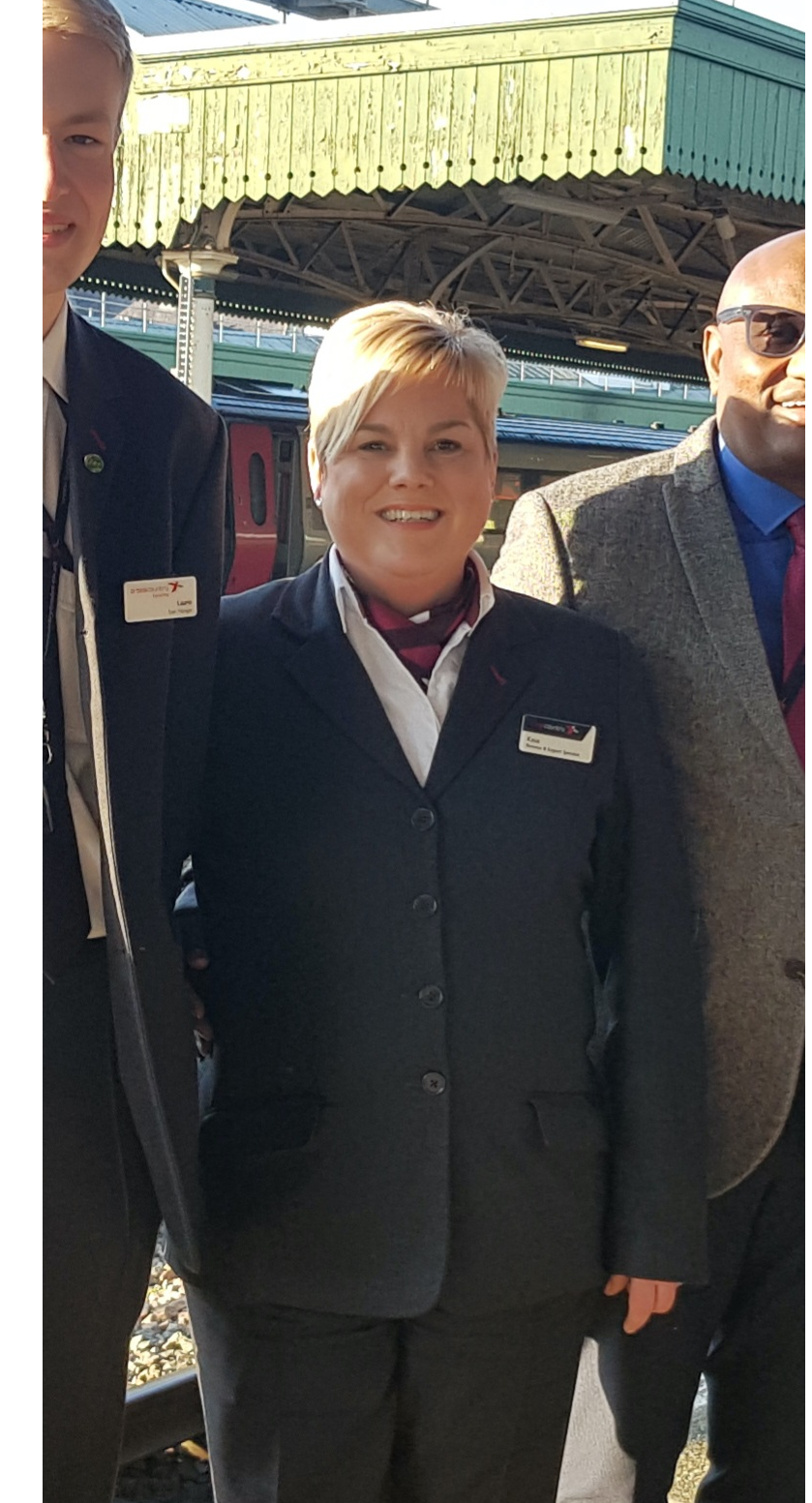
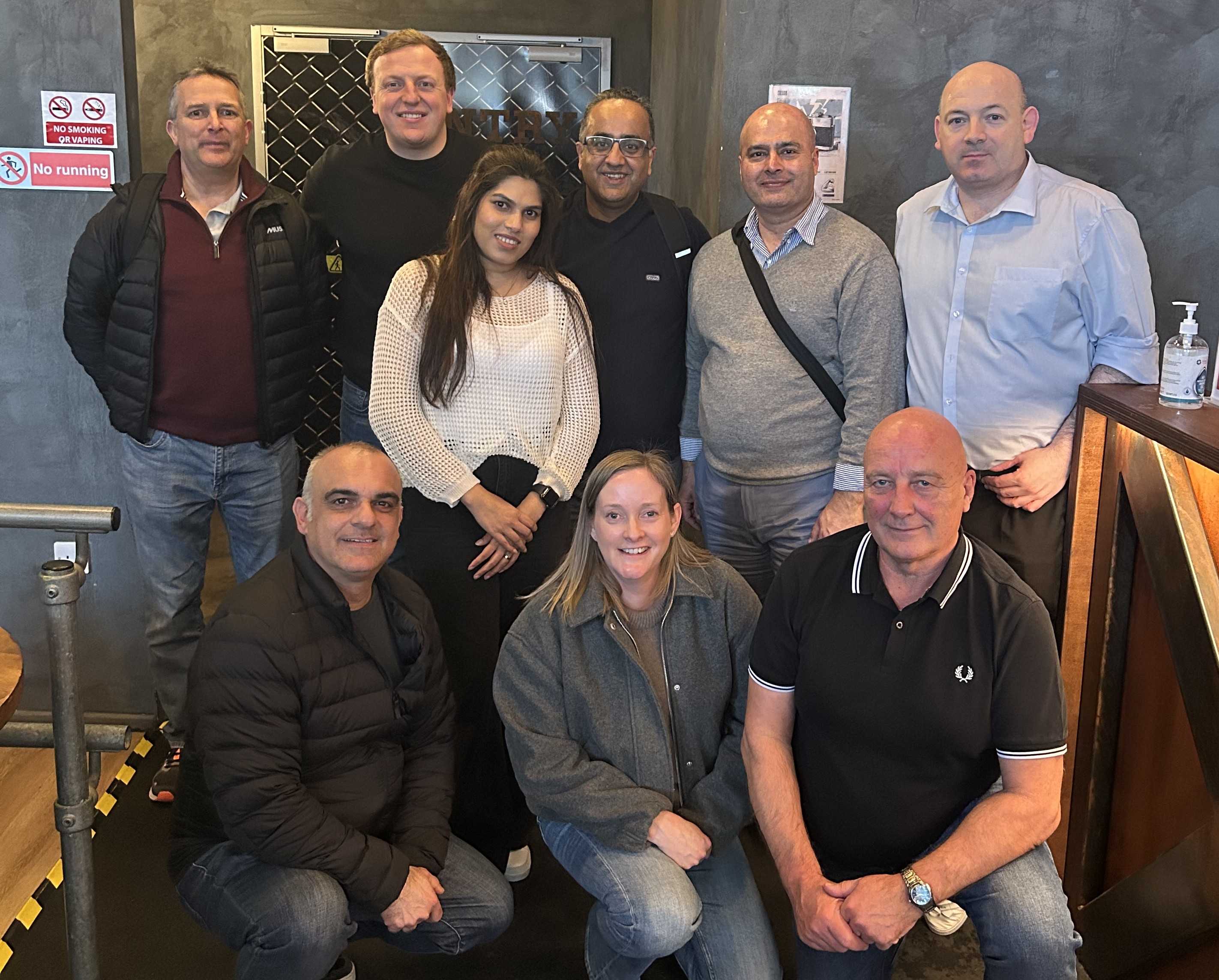
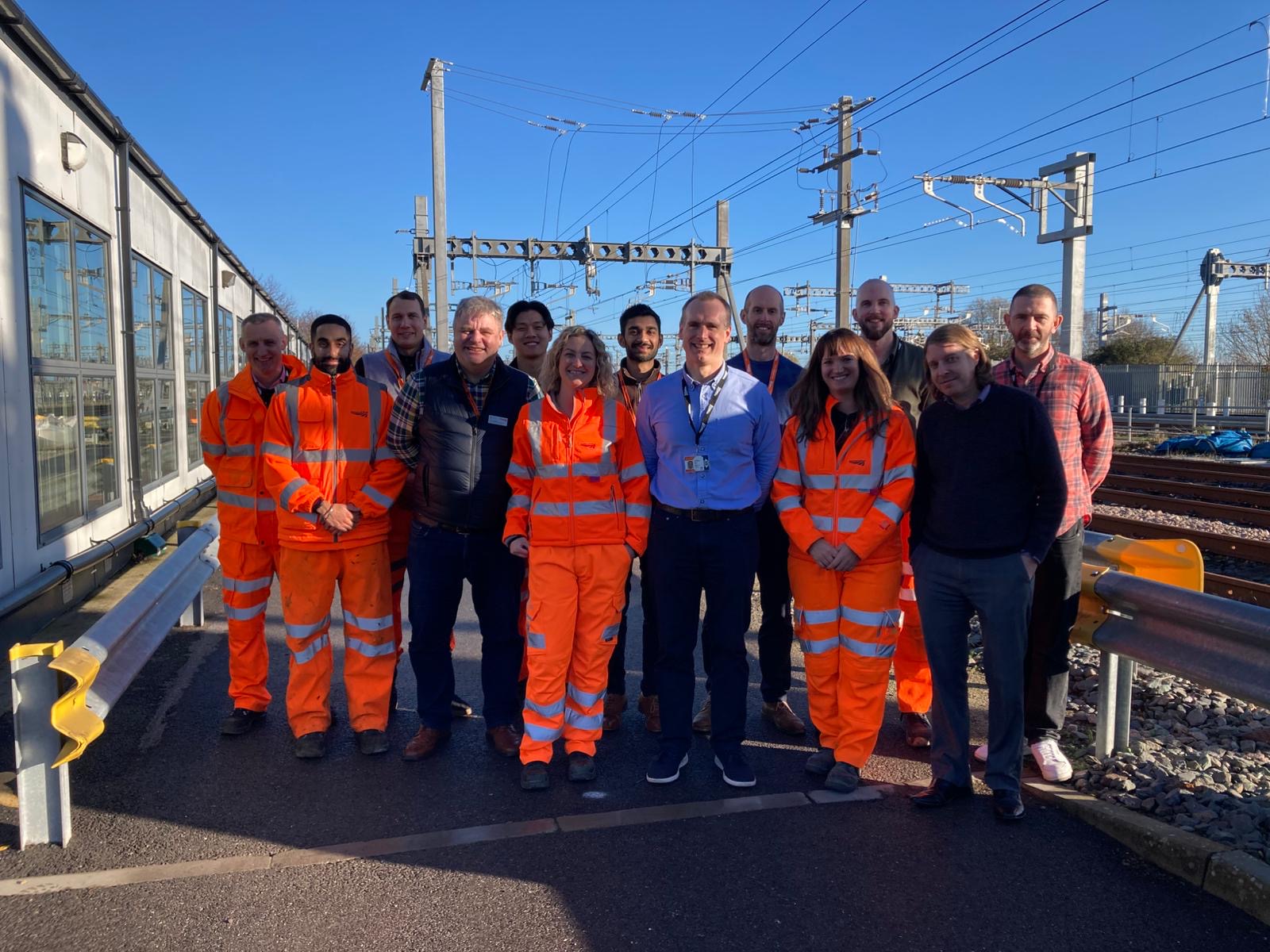
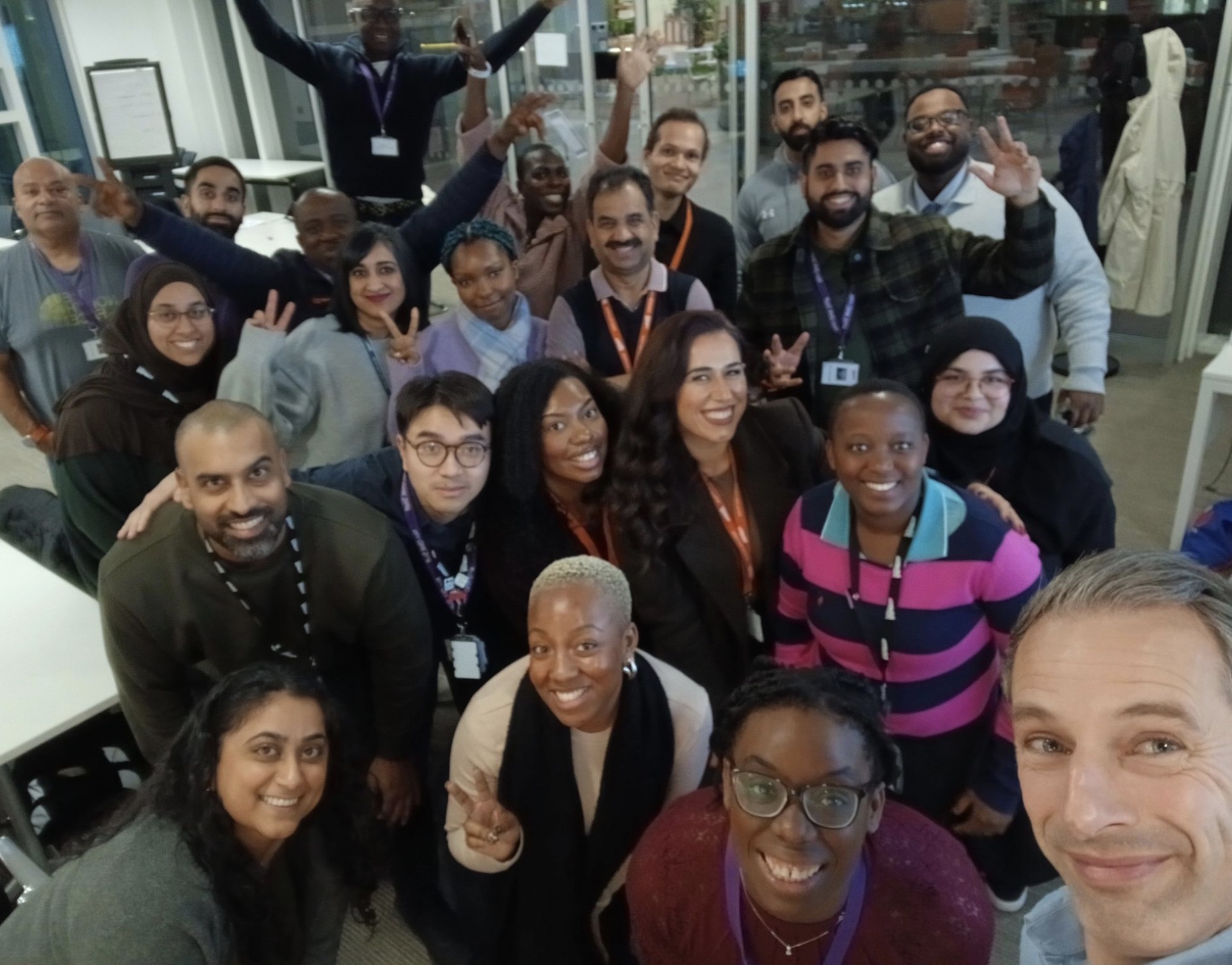
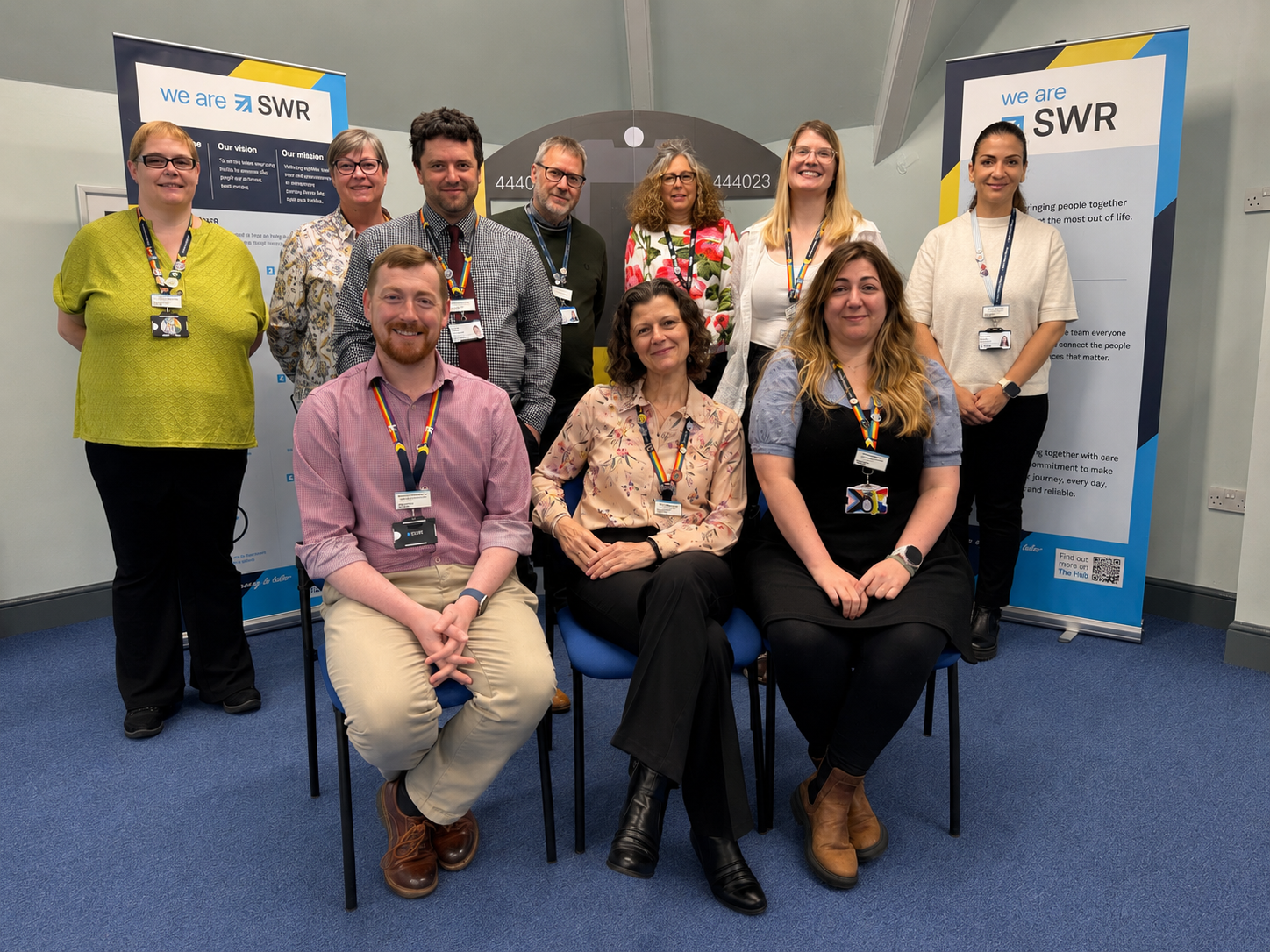
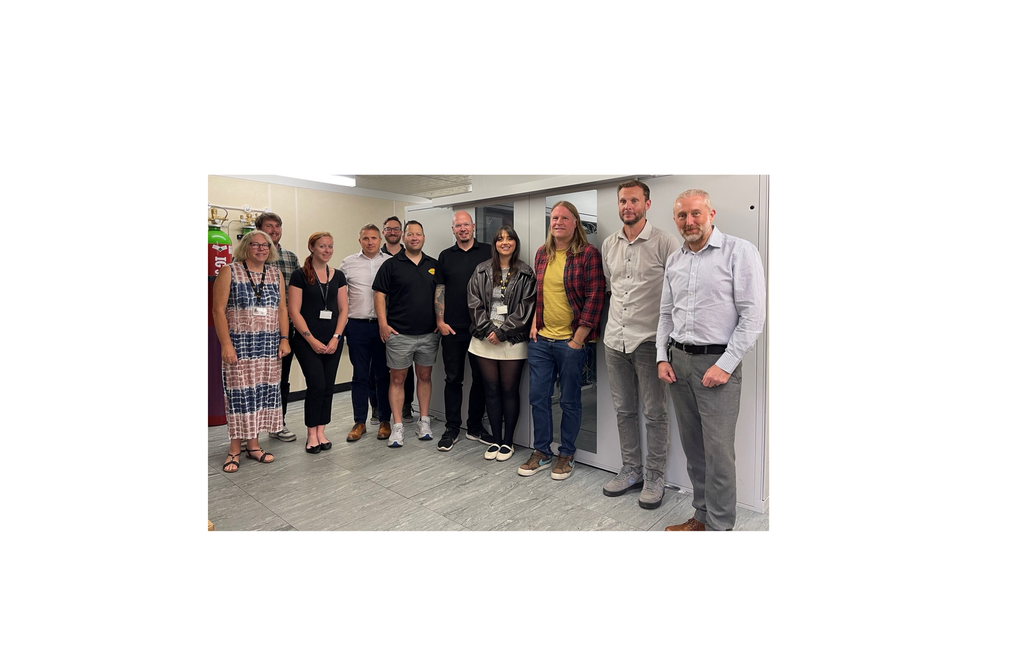
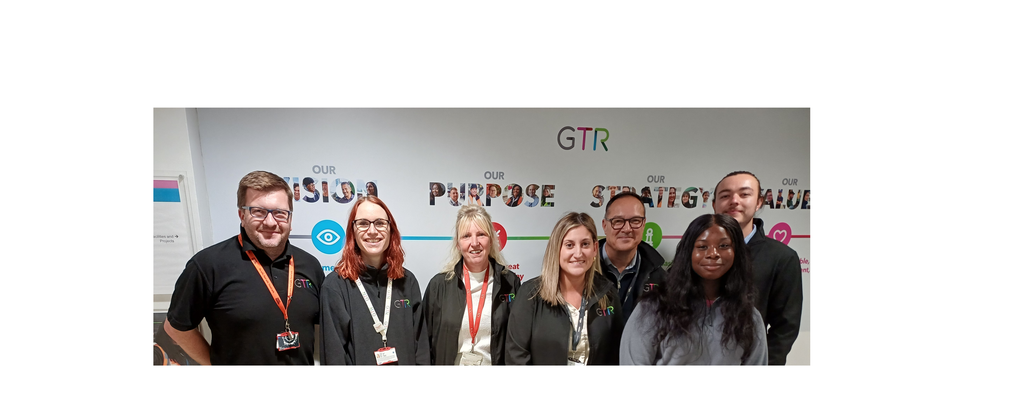
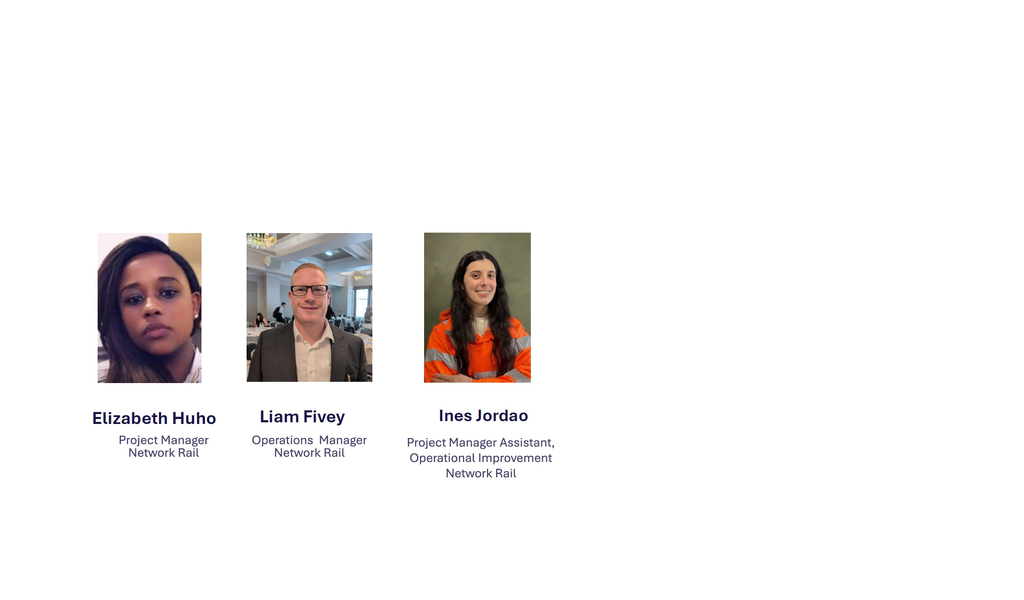
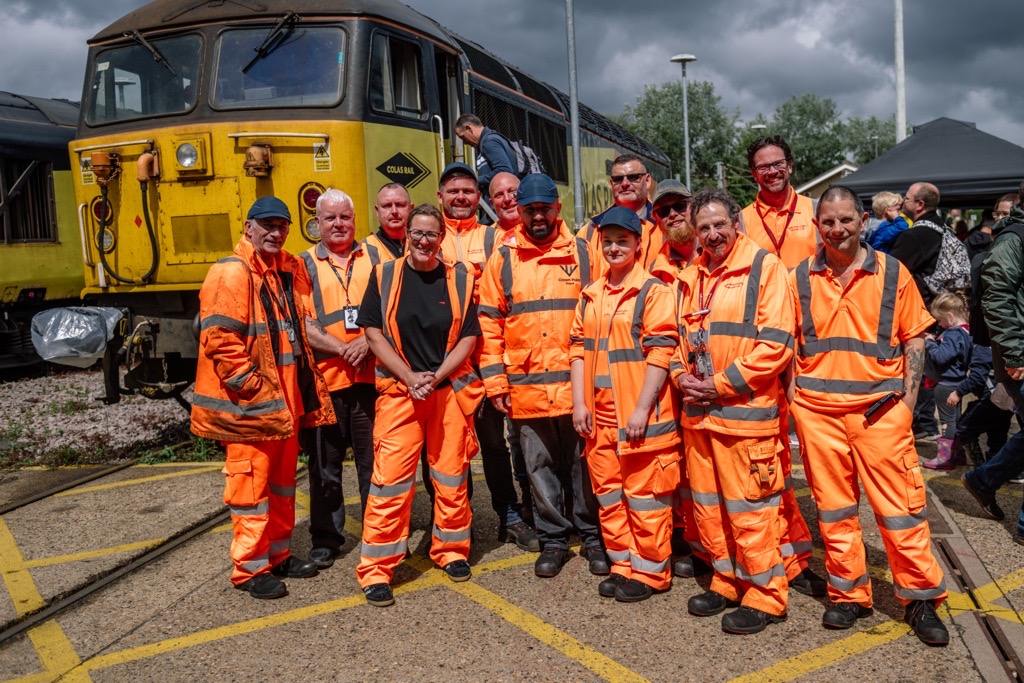
The PMCM Rail Project Controls, Planning, Information Management, and Commercial team has transformed the delivery of major rail projects through collaboration, innovation, and continuous improvement. By combining expertise in programme controls, planning, commercial management, governance, and information management, the team successfully transitioned from fragmented, spreadsheet-based processes to integrated, automated, and data-driven ways of working.
This transformation has delivered measurable Programme, Cost, Risk, and Change benefits across multiple multimillion-pound rail projects. Through digital solutions, automation, governance improvements, and enhanced reporting, the team has improved project visibility, accelerated delivery, reduced administration, strengthened compliance, and enabled better decision-making for project teams and clients.
The team consistently demonstrated ownership by identifying challenges before they affected project performance and proactively developing practical solutions. Rather than accepting traditional manual processes as the industry norm, team members collaborated across disciplines to create smarter and more effective ways of working.
Key initiatives included:
Automated P6 Programme Management Solution to improve programme planning, accountability, and schedule management.
Automated Quality Assurance Process for Design Deliverables to streamline approvals, tracking, reporting, and document governance.
Automated Contract and Event Management Register and Reporting Framework to improve visibility and management of contractual events.
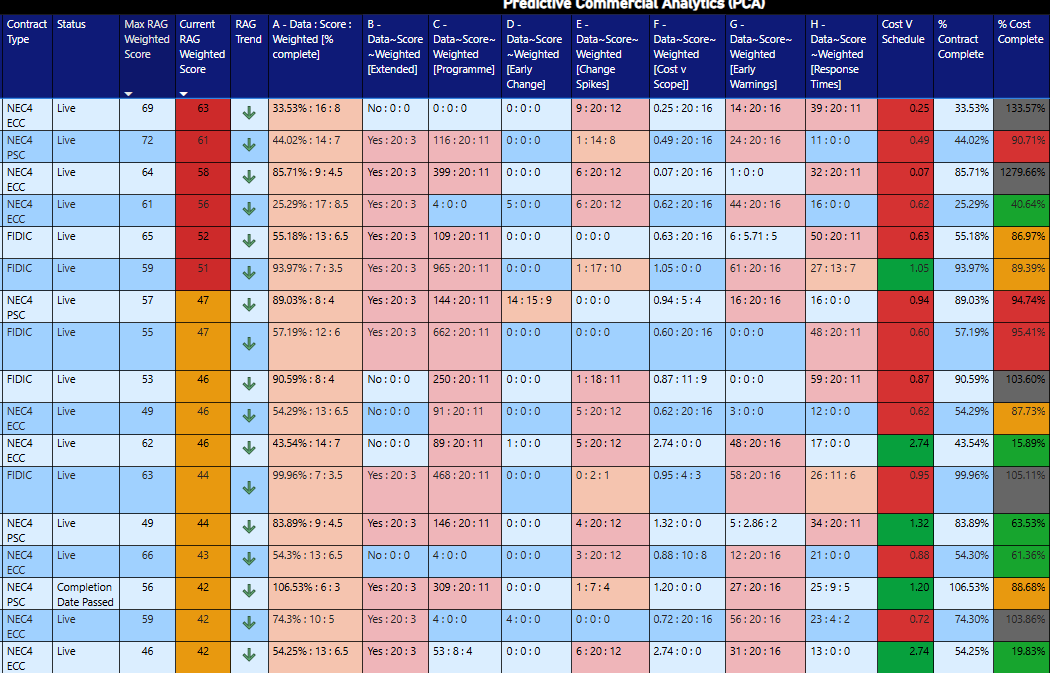
Operational Efficiency Tools including submission registers, workflow automation, communication tools, task reminders, and reporting dashboards.
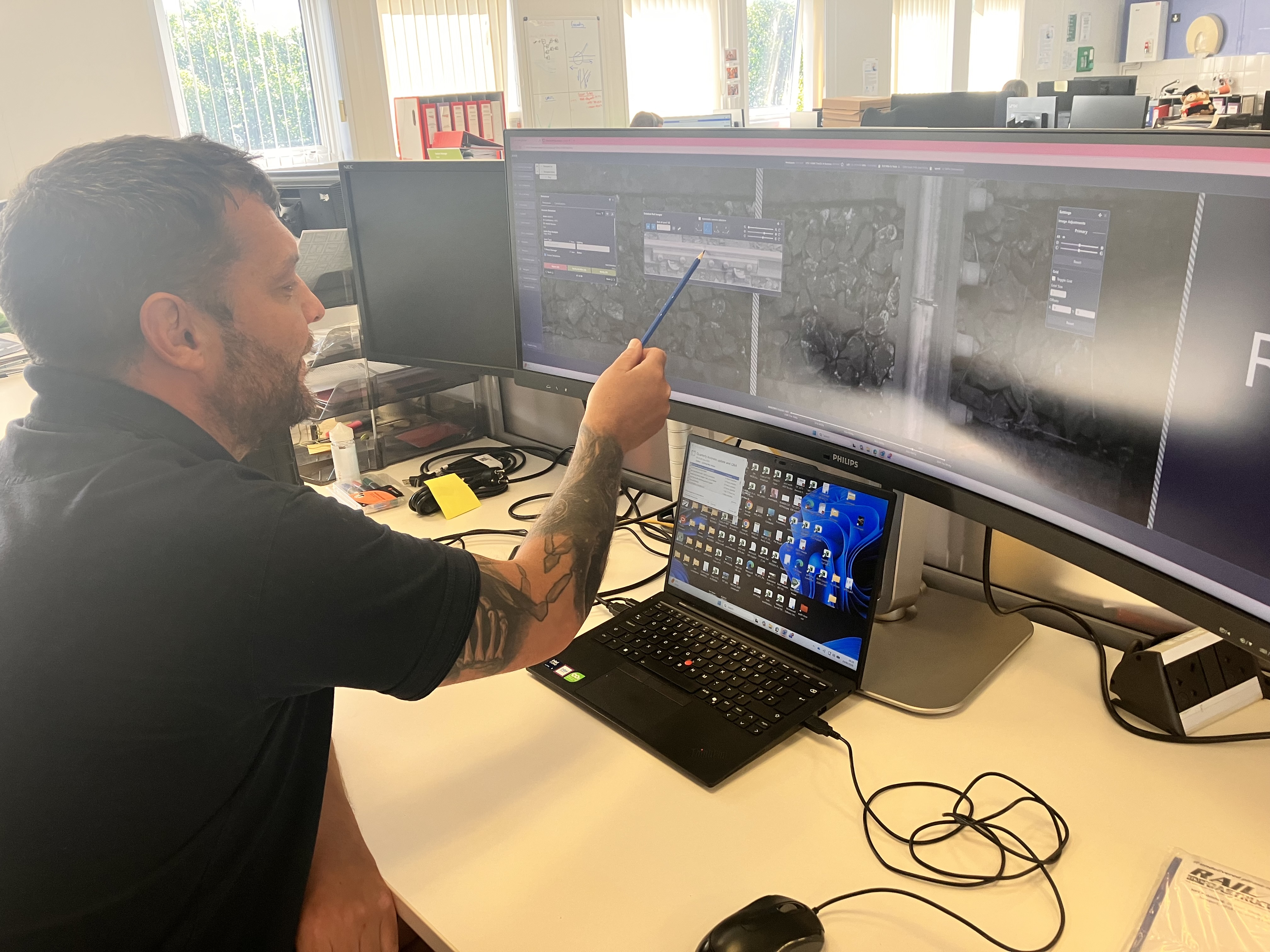
DIVE (Document Integrity and Validation Engine), an intelligent quality-control solution that automates document compliance checks and validation before submission.
These initiatives were not externally mandated but developed through proactive identification of operational inefficiencies and a commitment to improving project delivery. The outcomes have delivered benefits beyond individual projects and created scalable frameworks supporting multiple rail projects.
Programme Impact
The team significantly improved project delivery by reducing administrative effort, improving data quality, and increasing programme visibility.
Key achievements include:
Saving more than 10,000 project hours through programme automation and streamlined reporting.
Reducing document review and approval cycle times by up to 40%.
Improving delivery performance by 25-30% through automated workflows and real-time visibility.
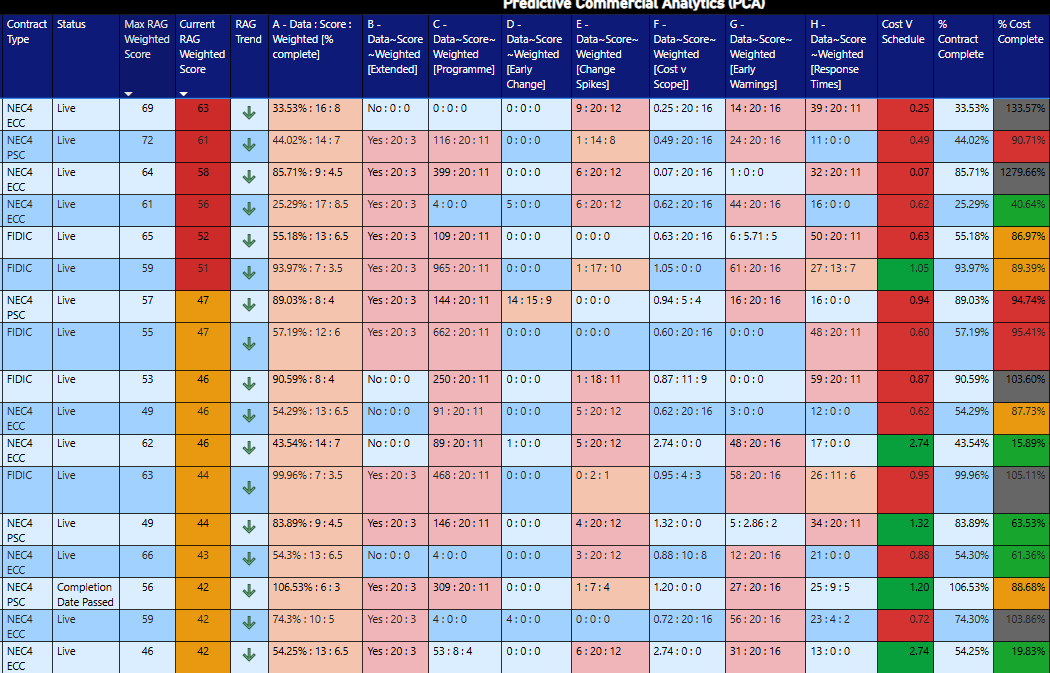
Accelerating decision-making through integrated dashboards and reporting tools.
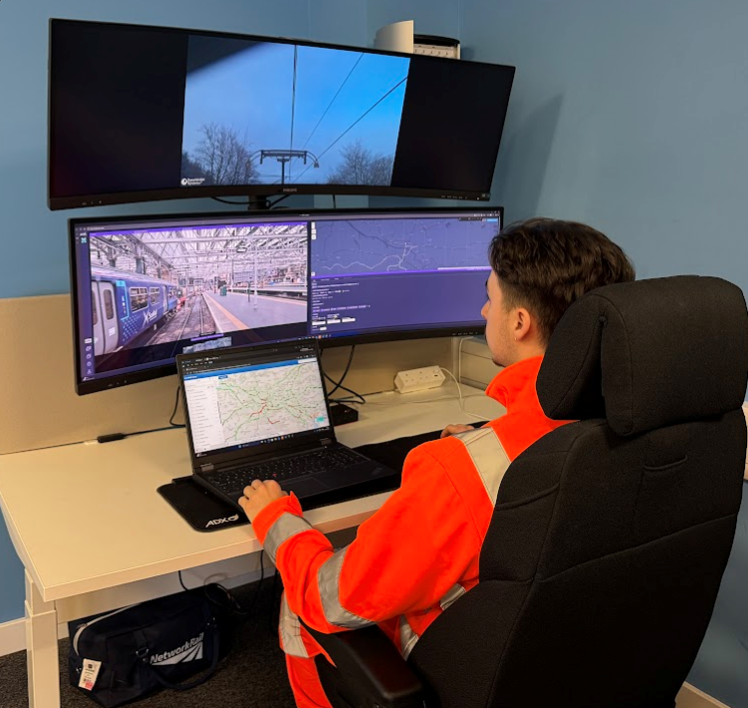
Providing planners and project managers with accurate, real-time information to improve forecasting and delivery certainty.
Cost Impact
The team's innovations generated substantial efficiency savings through automation and improved resource utilisation.
Achievements include:
Automating the management of more than 16,500 deliverable records, significantly reducing administration.
Reducing software licensing and support costs through improved programme management processes.
Eliminating repetitive manual activities across multiple projects.
Reducing contract administration workload by approximately 2.5 days per week through automated CEMAR reporting.
Delivering ongoing efficiency savings through standardised workflows, reporting automation, and process optimisation.
Risk Impact
Improved governance and compliance have been central to the team's success.
The team's solutions:
Strengthened traceability, version control, auditability, and information governance.
Reduced the risk of missed deliverables, incorrect revisions, duplicate references, and approval non-conformities.
Improved management visibility of programme and contractual risks.
Enhanced compliance through automated validation and quality assurance processes.
Enabled proactive management of contractual obligations through automated reporting and dashboards.
The introduction of DIVE further strengthened quality assurance by automatically validating document numbers, revisions, classifications, approvals, metadata, and register compliance before submission. This reduced rework and helped prevent document rejections.
Change Impact
The team's contribution extends beyond process improvement and represents a significant example of organisational change.
Through automation, integrated reporting, intelligent validation, and digital governance tools, projects moved away from isolated spreadsheets and manual tracking towards collaborative, digital-first working practices.
Many of these solutions are now being adopted as standard approaches across Rail Projects, creating long-term benefits beyond individual assignments. By embedding innovation into daily delivery activities, the team has accelerated digital transformation and established new standards for project controls, information management, and commercial governance.
Attitude
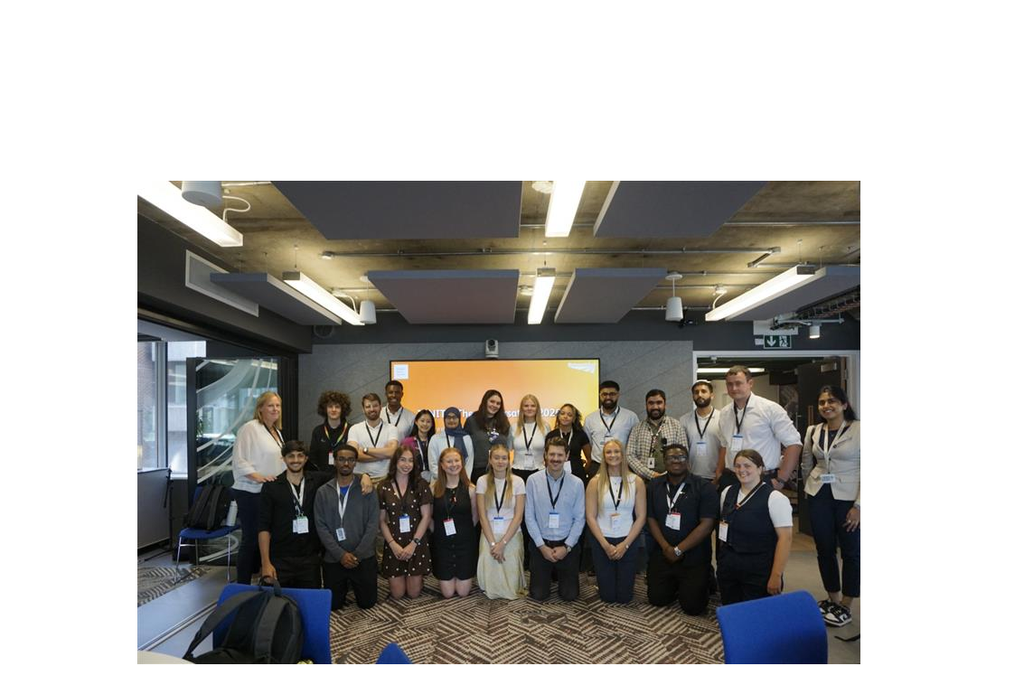
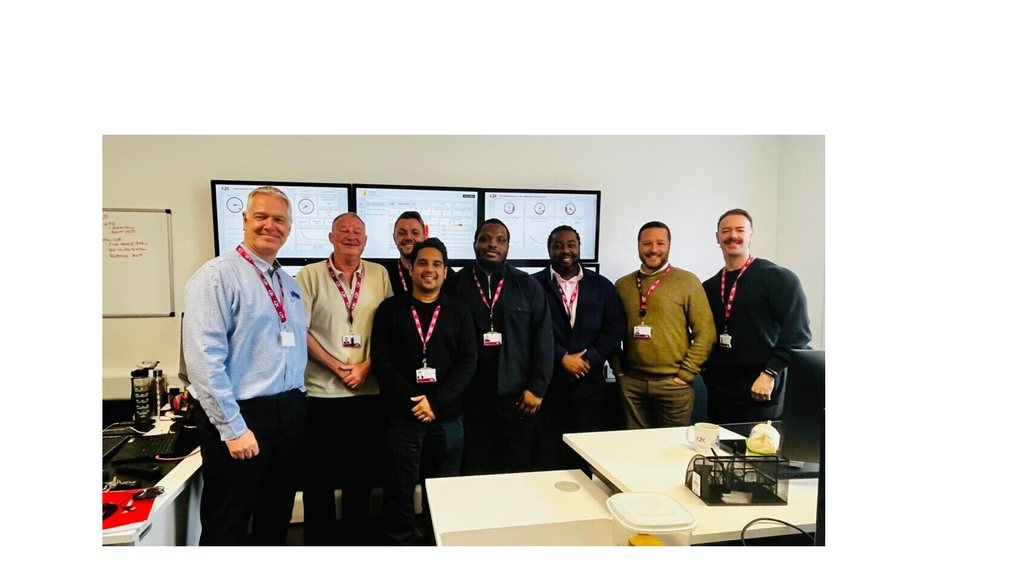
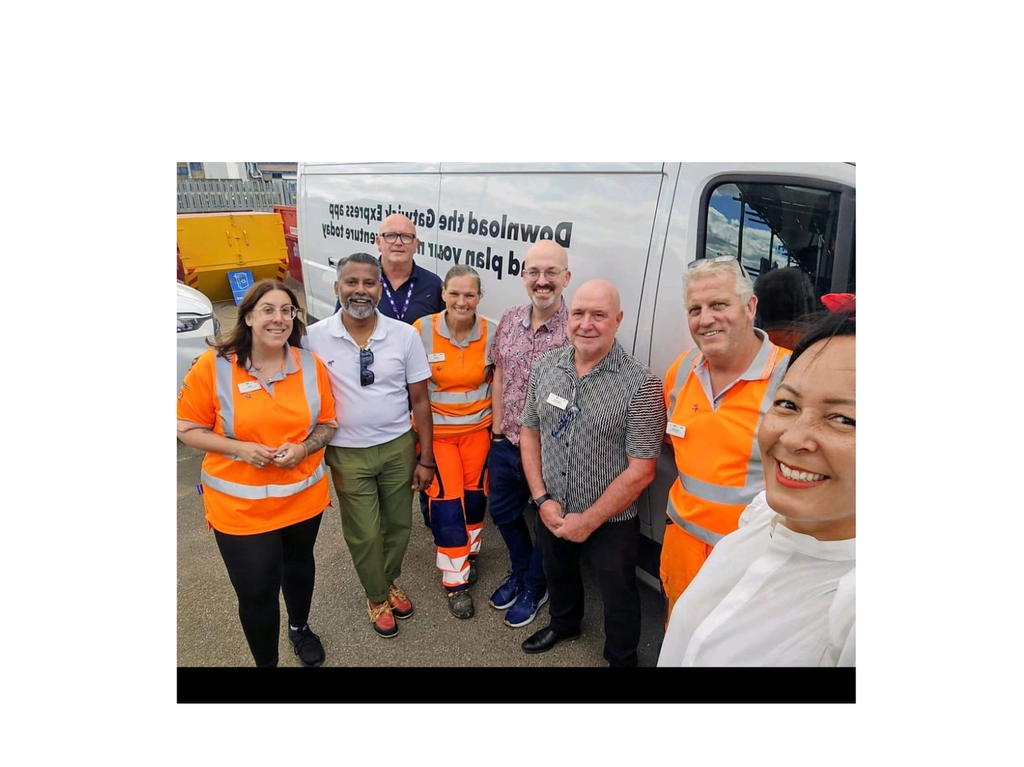
A key factor behind the team's success has been its positive, collaborative, and supportive culture.
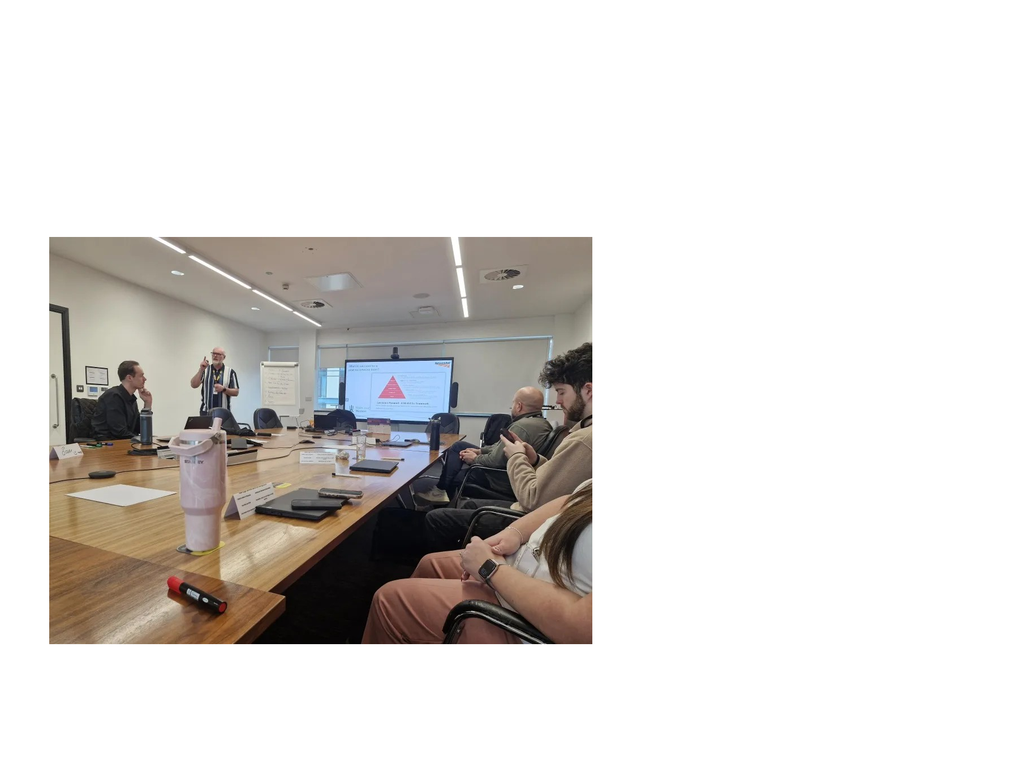
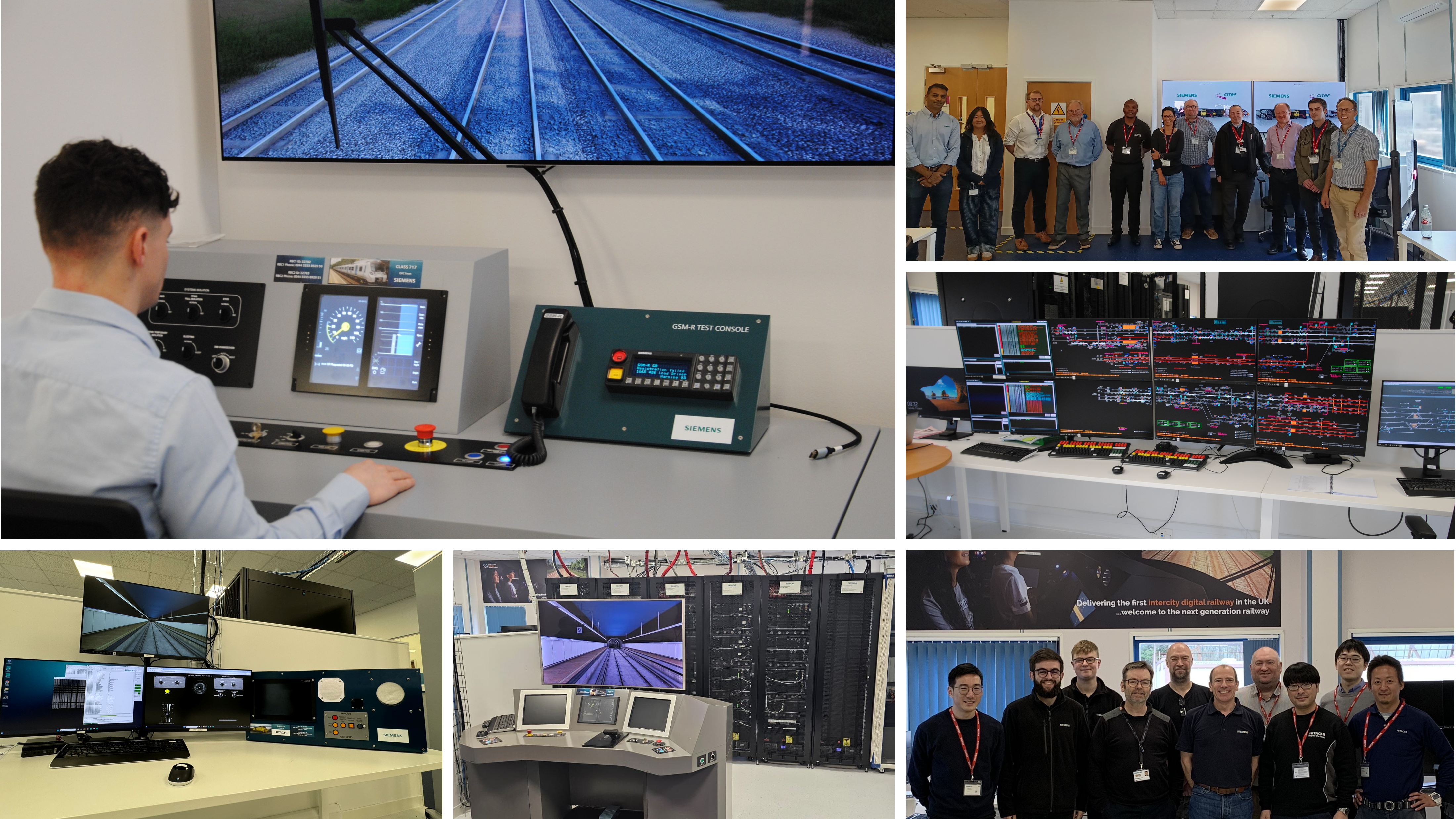
The team consistently demonstrates professionalism, resilience, and a commitment to supporting colleagues, stakeholders, and project partners. Members actively share knowledge, develop guidance materials, mentor colleagues, conduct training sessions, and showcase innovations to encourage wider adoption.
Rather than implementing technology in isolation, the team focuses on helping people embrace change and realise the benefits of innovation. This collaborative approach has built trust across project teams and ensured successful adoption of new processes.
Their commitment to accountability, collaboration, continuous improvement, and client service has made the team a role model for excellence in multidisciplinary project environments.
Innovation
Innovation has been the foundation of the team's success. Instead of relying on traditional project controls and information management practices, the team developed digital solutions that addressed long-standing industry challenges and significantly improved project performance.
Key Innovations
Automated P6 Programme Management Solution
Saved 10,000+ project hours.
Improved programme visibility and accountability.
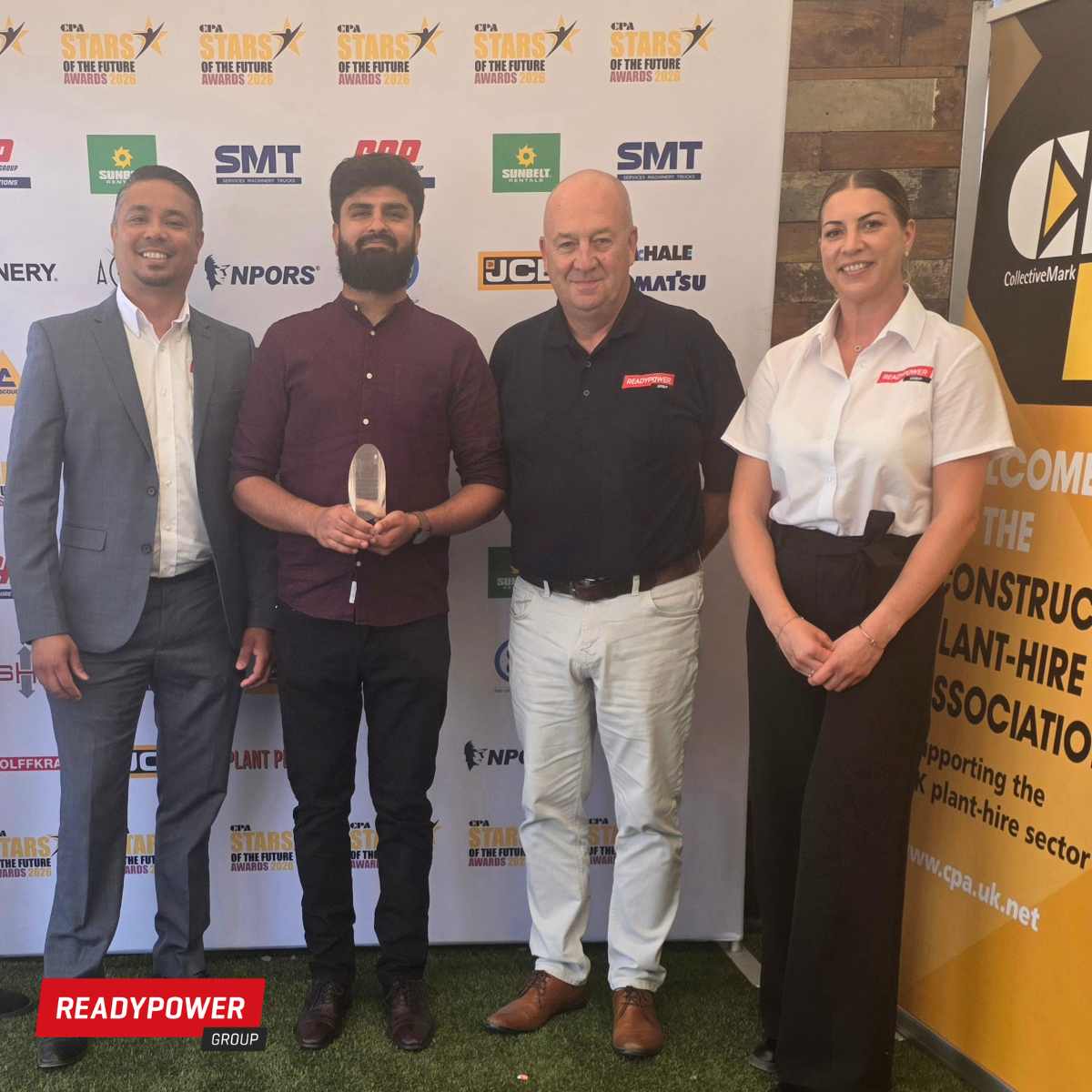
Winner of the Innovation Marathon 2025.
Automated Quality Assurance Process
Reduced document cycle times by up to 40%.
Improved delivery performance by 25-30%.
Automated management of over 16,500 deliverable records.
Automated Contract Event Management Register
Improved commercial governance and reporting.
Increased visibility of contractual events and actions.
DIVE (Document Integrity and Validation Engine)
Reduced quality checks from 20-40 minutes to under 10 seconds.
Automated document validation and compliance checking.
Improved submission readiness and reduced rework.
Operational Efficiency Tool Suite
Automated numbering systems.
Workflow automation.
Reporting dashboards.
Submission registers.
Communication and governance automation.
These innovations have become scalable solutions adopted across projects and have fundamentally changed how programme controls, commercial reporting, and information management are delivered.
Conclusion
The PMCM Rail Project Controls, Planning, Information Management, and Commercial team has demonstrated exceptional initiative by proactively solving operational challenges, delivering measurable programme, cost, risk, and change benefits, fostering a positive and collaborative culture, and consistently challenging traditional ways of working through innovation.
Through automation, digital transformation, and continuous improvement, the team has created lasting value across multiple multimillion-pound rail projects. Their achievements have improved project performance, strengthened governance, reduced risk, enhanced efficiency, and established new standards of excellence that continue to benefit both project teams and clients.
These collective accomplishments make the team a strong and deserving candidate for the Project Team Award.